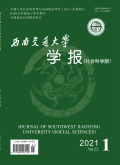
西南交通大学学报(社会科学版)2026,Vol.27Issue(2):95-111,155,18.
《潜书》引孟的文献策略与明清易代之际的孟学复兴
The Literary Strategy of Citing Mencius in Qian Shu and the Revival of Mencius Studies during the Ming-Qing Transition
摘要
Abstract
The Mencius is one of the most frequently cited classics in Tang Zhen's Qian Shu.Besides the two chapters,"Respecting Mencius"and"Adoring Mencius",which directly extol Mencius'thoughts and promote the spirit of Mencianism,it also elaborates onMencius'ideas from three aspects:the theory of human nature,moral theory,and the theory ofsuppression and respect,based on the people-oriented ideology and the theory of benevolent governance.This not only reflects Tang Zhen's personal admiration for Mencius but also witnesses the transformation of the values of intellectuals at the end of the Ming Dynasty.Moreover,it reflects the attempt of the intellectual group at the end of the Ming Dynasty to achieve political elevation through academic means.The reason why the Mencius became the most powerful theoretical tool for this demand is that Mencius'sense of value superiority over power conforms to the values of intellectuals at the time of the transition from the Ming to the Qing Dynasties,Mencius'proposition of breaking the traditional order of superiority and inferiority between the upper and lower classes conforms to the expectations of intellectuals at that time for equal dialogue with power,and the various concepts created by Mencius established his social status as a regulator of power,providing a theoretical basis for the political power demands of thinkers at the end of the Ming Dynasty.关键词
《孟子》/《潜书》/唐甄/政治升格Key words
Mencius/Qian Shu/Tang Zhen/political elevation引用本文复制引用
叶艳明..《潜书》引孟的文献策略与明清易代之际的孟学复兴[J].西南交通大学学报(社会科学版),2026,27(2):95-111,155,18.基金项目
国家社会科学基金项目"晚清社会转型与咸同词坛研究"(21BZW108) (21BZW108)